Learn about the state-of-the-art landscape design concepts enhancing outdoor spaces in 2025. Whether you are a homeowner, gardening lover, or landscape expert staying informed about modern trends assists in developing efficient, sustainable, and elegant atmospheres merging with natural and modern ways of life.
What Characterizes Modern Landscape Design Nowadays?
Modern landscape design today is defined by minimalist design principles that emphasize simplicity, clean lines, and a harmonious relationship with the natural environment. Multiple textures are carefully united to offer rich visuals without saturating the senses. Garden zoning plays a key role by dividing outdoor areas into functional rooms for relaxation, dining, or gardening, enhancing usability and flow.
Incorporating climate-adaptive plants ensures that landscapes remain vibrant across seasons while requiring less maintenance and water. Layered plantings create dynamic and textured visuals, enhancing biodiversity and interest. The use of natural stone and other eco-friendly materials bases modern aesthetics in everlasting charm while advancing sustainability.
Overall, modern landscape design balances form and function with ecological sensitivity, creating outdoor spaces that are both elegant and environmentally responsible.
What Role Does Sustainable Gardening Play in Modern Landscaping?
Sustainable gardening is the basis of modern landscape development. It seeks to reduce ecological footprint by careful plant choice and efficient resource use. Drought-tolerant plants and climate-adaptive species are preferred to conserve moisture without losing aesthetic appeal.
Permaculture principles are gradually adopted to develop autonomous ecosystems with minimal resources. Rain gardens and biofiltration methods are used for collecting and purifying rainwater runoff, enhancing soil and water quality while preventing erosion.
Additionally, the use of eco-friendly materials such as reclaimed wood and natural stone supports carbon footprint reduction and waste minimization. Sustainable gardening boosts garden durability, promotes animal habitats, and nurtures lasting ecological care.
What Are Popular Plant Selections and Planting Techniques in Modern Landscaping?
Native plants top the list for their adaptability to local climates and ability to support native wildlife, making them perfect for sustainable gardening efforts. Drought-tolerant plant varieties additionally improve moisture-saving efforts, key in water-wise gardening and minimal upkeep gardens.
Rotational planting introduces color and feel shifts throughout the year, leaving outdoor spaces animated and engaging. Pollinator gardens and butterfly gardens play important roles in increasing biodiversity, supplying habitats for bees, butterflies, and other beneficial insects.
Innovative techniques such as herb spirals utilize the use of vertical space for edible plants, combining functionality with aesthetics. Bonsai integration introduces artistic focal points, echoing a zen garden influence that complements minimalist design themes.
How Are Vertical Gardens and Living Walls Included into Contemporary Designs?
Vertical gardens and living walls have revolutionized urban gardening by facilitating lush greenery in limited spaces such as balconies, patios, and small yards. These installations make use of modular planters and container gardening systems, providing flexibility and scalability in design.
Living walls not only boost aesthetics with layered plantings and mixed textures but also boost air quality and deliver natural privacy screens. Modular decking integrated alongside vertical gardens supports seamless transitions between outdoor seating areas and green zones, enriching the overall ambiance.
The trend backs sustainable gardening practices by utilizing space and facilitating year-round greenery in urban contexts where horizontal land is constrained.
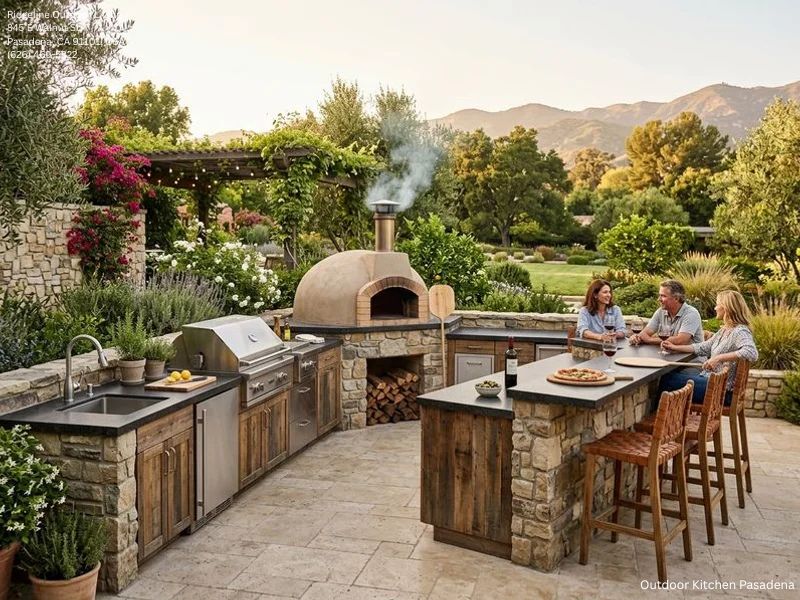
What Role Do Hardscaping Elements Hold in Modern Outdoor Spaces?
Hardscaping elements shape structure and navigation within modern landscapes. Natural stone and gravel pathways deliver durable, permeable surfaces that blend with surrounding vegetation. Curved pathways smooth the landscape’s geometry, inviting exploration and boosting flow.
Retaining walls inventively manage elevation changes while operating as visual anchors. Modular decking offers customization, ease of installation, and eco-friendly credentials when built with recycled or sustainable materials.
Bamboo fencing and reclaimed wood enhance these elements by bringing texture and warmth, promoting eco-conscious garden design. Together, hardscaping solutions combine functionality with aesthetics to build inviting, layered outdoor environments.
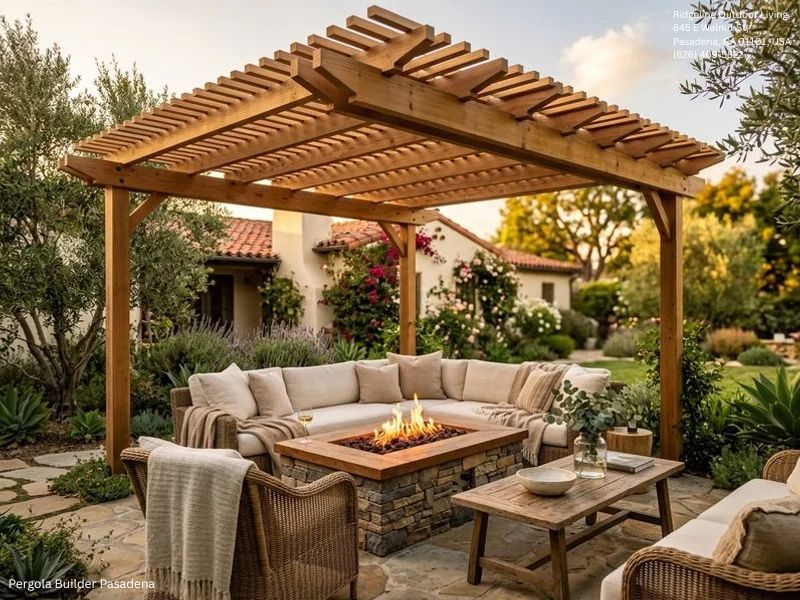
How Is Outdoor Lighting Transforming Modern Landscape Design?
Outdoor lighting has progressed tremendously with the broad adoption of LED landscape lighting, valued for its energy efficiency and versatile applications. Path lighting boosts safety and emphasizes garden features, ushering visitors while generating ambiance.
Fire pits and outdoor fireplaces serve as focal points that extend outdoor enjoyment into cooler evenings and seasons, promoting social interaction in elegant settings. Layered lighting schemes combine functional and mood lighting, improving both aesthetics and security.
Modern lighting integrates seamlessly with smart home technologies, providing automated control to enhance energy use and adapt lighting scenes according to time and activity.
In What Ways Does Water Feature Design Align with Modern Landscaping Trends?
Water features today stress sustainability alongside tranquility and beauty. Reflective pools deliver serene, mirror-like surfaces that demand minimal upkeep yet bring a luxurious touch.
Rain gardens and biofiltration systems double as functional water management tools, filtering runoff and recharging groundwater while improving habitat diversity. Through this synergy, water features contribute not only to visual appeal but also to ecological health and resource conservation.
The integration of these elements reflects an eco-conscious approach, making water into both an aesthetic and environmental asset.
What Innovations in Smart Irrigation and Garden Technology Are Driving Modern Landscapes?
Smart irrigation systems use sensors, weather forecasts, and automated controls to deliver precise watering schedules designed for the specific needs of climate-adaptive plants. This technology cuts water waste and promotes healthier gardens even under variable conditions.
Combined with sustainable gardening strategies, smart irrigation backs year-round vibrancy while reducing operating costs. Homeowners and landscapers enjoy remote monitoring and adjustment capabilities, reflecting the growing trend of integrating smart home features into outdoor living.
How Are Edible Landscapes and Urban Gardening Becoming Part of Modern Designs?
The rise of edible landscapes demonstrates a shift towards multifunctional outdoor spaces that combine beauty with food production. Raised beds and container gardening allow cultivation in small or unconventional spaces, great for urban gardening enthusiasts.
Herb spirals boost plant density and accessibility, providing fresh culinary ingredients within easy reach. These elements foster sustainable living practices and connect people to their food sources while uplifting garden aesthetics.
Harvestable landscapes merge smoothly with aesthetic plantings, proving that harvest and design excellence can live side by side peacefully.
What New Trends Are Appearing in Outdoor Living Spaces in Landscape Design?
Current landscaping growingly includes comprehensive outdoor living areas that encourage relaxation and entertaining. Pleasant outdoor seating arrangements, fully equipped outdoor kitchens, and warm fire pits or fireplaces change yards into extensions of the home.
Shade structures give relief from sun exposure and lengthen usability during hot periods. Privacy screens made from living walls, bamboo fencing, or decorative panels create private, protected environments.
These improvements erase the line between indoors and outdoors, promoting lifestyle upgrade through mindfully designed, multifunctional spaces.
What Are the Benefits of Biofiltration and Rain Gardens for Garden Health and Sustainability?
Biofiltration and rain gardens act as natural filters for stormwater, trapping pollutants and sediments before they enter waterways. By slowing and taking in runoff, they avoid erosion and replenish soil moisture.
This promotes healthier plant growth, backs diverse microbial communities, and lowers reliance on artificial irrigation. Utilizing these water features demonstrates sustainable gardening, blending ecological function with visual interest.
The Rise of Modular and Prefab Elements in Landscape Design: Benefits and Applications
Modular planters and decking components retaining wall specialists ease installation, enabling rapid assembly and quicker customization of outdoor spaces. Prefabricated elements often use eco-friendly materials, guaranteeing sustainability along with convenience.
Such systems support scalable vertical gardens, container gardening setups, and flexible seating areas, addressing evolving landscape needs while cutting construction waste.
Designing Wildlife Habitats and Pollinator-Friendly Gardens
Creating dedicated spaces such as pollinator gardens and butterfly gardens backs local ecosystems and increases biodiversity. Native plants are central to these habitats, giving food and shelter for birds, insects, and other wildlife.
Layered plantings imitate natural environments, while seasonal planting provides continuous resources throughout the year. These gardens add to environmental resilience and nurture educational and recreational opportunities.
Integrating Coastal and Beach Landscaping Concepts in Modern Designs
Seaside landscaping combines weather-resistant plants tolerant of salt, wind, and sandy soils, well-suited to seaside residences or inland gardens emulating coastal aesthetics. Arid-adapted species and synthetic turf cut maintenance while retaining softness and greenery.
Elements like gravel pathways, curved walkways, and bamboo fencing convey seaside ambiance, fusing beauty with practicality and reinforcing connection to natural surroundings.
Frequently Asked Questions (FAQ)
Q1: What Are the Main Benefits of Using Native Plants in Modern Landscape Design?
A1: Native plants require less water and maintenance, sustain local wildlife, and display strong resistance to pests and diseases found in the region. This makes them perfect for establishing sustainable, resilient landscapes that flourish naturally and benefit the ecosystem.
Q2: How Does Xeriscaping Contribute to Water Conservation?
A2: Xeriscaping involves the use of drought-tolerant plants and design techniques that drastically reduce or eliminate the need for supplemental irrigation. This method saves water resources effectively, lowers maintenance requirements, and creates landscapes well adapted to arid or variable climates.
Q3: Can Vertical Gardens Be Installed in Small Urban Spaces?
A3: Absolutely. Vertical gardens are well-suited for balconies, patios, and other compact urban locations, enabling greenery to expand vertically rather than outward. They enhance limited space, improve air quality, and introduce biophilic elements into dense living environments.
Q4: What Types of Materials Are Considered Eco-Friendly for Hardscaping?
A4: Reclaimed wood, bamboo, permeable pavers, recycled concrete, and natural stone are popular eco-friendly hardscaping materials. They reduce environmental impact through resource conservation and often improve the natural look and feel of outdoor spaces.
Q5: How Does Smart Irrigation Improve Garden Efficiency?
A5: Smart irrigation systems implement sensors and weather data to water plants precisely when needed, stopping overwatering and reducing water waste. This creates healthier plants, significant water savings, and lower utility bills.
Q6: What Are Some Key Features of Minimalist Landscape Design?
A6: Minimalist design prioritizes clean lines, a limited variety of plants with cohesive color palettes, open spaces, and simple, functional hardscape elements. This design cuts down on visual clutter and shapes calm, contemplative outdoor environments.
Ridgeline Outdoor Living
Ridgeline Outdoor Living is a Pasadena-based landscape design-build company serving Greater Los Angeles with custom outdoor living, hardscape, and drought-tolerant landscape solutions. The company specializes in patios, retaining walls, outdoor kitchens, drainage, hillside projects, and turnkey landscape construction, handling projects from design and permitting through final build and warranty.
Address:
845 E Walnut St,
Pasadena,
CA
91101,
United States
Phone: (626) 469-5822
Map: View on Google Maps
Business Hours:
- Monday – Saturday: 8:00 AM – 6:00 PM
- Sunday: Closed
Follow Us: