Improving your property’s landscape through expertly crafted retaining walls not only introduces visual appeal but also is essential in soil stabilization, erosion control, and slope management. If you are a homeowner, commercial property manager, or a DIY enthusiast, comprehending the landscape construction process for retaining walls is critical for a successful project. This complete guide will walk you through everything from materials and design principles to installation, permits, and maintenance tips.
Definition and Purpose of Retaining Walls in Landscaping
Retaining walls are structural elements intended to hold back soil and stop erosion on inclined ground. Fundamental to landscape architecture, these walls enable effective slope management and terracing, creating usable flat areas known as garden walls that enhance both form and function. Beyond aesthetics, retaining walls provide necessary soil stabilization and erosion control, preventing landslides and safeguarding properties from damage caused by water runoff and unstable soil.
In landscape construction, retaining walls have several functions such as:
- Holding steep slopes and preventing soil movementDeveloping level spaces for patios, driveways, and gardensChanneling water flow and optimizing drainageEnhancing curb appeal through architectural design
The addition of these features aligns with overall landscape design goals, highlighting both practicality and beauty.
Common Retaining Wall Materials for Landscaping
Deciding on the right retaining wall materials is fundamental to durability, aesthetics, and budget. Various materials provide unique advantages based on the project scope, soil conditions, and desired look.
- Concrete Blocks: Modular, convenient to build, and extremely strong; ideal for both residential and commercial projects. Stone Veneer: Gives a natural, elegant appearance with outstanding longevity but often calls for specialized masonry skills. Gabion Baskets: Wire mesh cages packed with landscaping rocks, offering a sturdy, environmentally friendly solution with proper drainage. Timber Retaining Walls: A cost-effective choice for shorter walls but vulnerable to rot and pests if untreated. Modular Blocks: Snap-together blocks intended for easy DIY installation and reliable load resistance. Masonry Walls: Constructed of brick or stone, these deliver a traditional look with strong strength and stability. Landscaping Rocks: Adaptable for decorative garden walls combined with other materials for improved function.
Selecting materials relies not just on aesthetics but also on factors like soil type, retaining wall height, drainage requirements, and maintenance expectations.
Designing Retaining Walls for Your Landscape Project
A properly designed retaining wall begins with thoughtful design. Key considerations cover retaining wall height, base and footing construction, and reinforcement strategies like geogrid installation to counteract loaded soils.
Correct landscape grading and property grading guarantee the soil behind the wall is stable and well-drained, decreasing pressure on the structure.
- Retaining Wall Height: Affects the engineering requirements and may alter the need for permits. Retaining Wall Base and Footings: Essential for distributing weight and avoiding settling or shifting. Geogrid Reinforcement: Boosts soil stabilization, especially for more elevated walls or weak soils. Landscape Grading: Controls water flow to safeguard the wall from hydrostatic pressure.
Collaborating with landscape architects or engineers can experienced landscapers in Pasadena deliver tailored designs that comply with safety codes and align with your landscaping goals.
Step-by-Step Guide to Retaining Wall Installation
Building a retaining wall includes several crucial steps to maintain structural integrity and long-term performance. The process generally consists of:
Site Preparation: Clean the area and perform landscape grading to create a stable base. Excavation:Dig excavations for the retaining wall base and footings according to construction specifications.
Base Construction: Lay a densified gravel base to provide drainage and foundation support. Wall Assembly: Place retaining wall blocks such as concrete blocks or timber, ensuring precise alignment and use of retaining wall anchors where applicable. Backfill Material: Use clean, well-draining backfill such as gravel behind the wall to decrease pressure and facilitate drainage. Soil Compaction: Compact backfill in levels to prevent later settling. Drainage Installation: Install drainage systems such as perforated pipes behind the wall to control water flow effectively. Finishing Touches: Add retaining wall caps for appearance and place landscape edging or plants to harmonize the wall into the landscape.Using the appropriate landscaping tools and following engineering guidelines is vital at each stage for a safe and long-lasting hardscaping tips retaining wall.
Drainage and Erosion Control Best Practices for Retaining Walls
Optimal drainage is important in retaining wall construction to prevent water pressure buildup that can trigger wall failure. Efficient drainage systems and erosion control practices include:
- Installing perforated drainage pipes at the base of the wall to reroute water.Using gravel or crushed stone as backfill to enhance water flow away from the structure.Incorporating retaining wall drainage components such as weep holes and drainage mats.Implementing soil stabilization techniques like geogrid reinforcement.Designing slopes with suitable grading to manage surface runoff safely.
These measures increase retaining wall safety and longevity while supporting sustainable landscaping solutions that prevent soil erosion successfully.
Permits, Codes, and Inspections for Retaining Wall Construction
Retaining wall construction often requires compliance with local building codes and obtaining necessary permits, especially for walls exceeding certain heights or located near property lines. Crucial factors include:
- Retaining Wall Permits: Check local laws to determine when permits are mandatory. Building Codes: Walls must follow structural and safety codes that differ by region. Inspections: Periodic inspections confirm walls meet engineering standards and are safe. Retaining Wall Contractors: Licensed professionals are familiar with permit processes and code compliance. Engineering Requirements: Some projects demand retaining wall engineering to certify design adequacy.
Seeking advice from experienced landscape contractors or civil engineers during planning facilitates navigating these regulatory requirements smoothly, bypassing costly delays.
Estimating Costs and Hiring Retaining Wall Contractors
Understanding the costs related and engaging qualified contractors are vital steps for any retaining wall project. Cost factors include:
- Quality and type of building materials (concrete blocks, stone veneer, timber, etc.)Wall height and lengthSite access and preparation requirementsDrainage system installation and reinforcement specificationsLabor costs and design difficulty
When employing retaining wall contractors, take into account the following qualities:
- Licensing and insurance coverageExperience with residential or commercial landscaping projectsReferences and portfolio of past workKnowledge of local retaining wall codes and permittingClear, detailed quotes including all potential costs
Obtaining multiple retaining wall quotes and evaluating services helps ensure you acquire fair pricing and professional workmanship customized for your project scope.
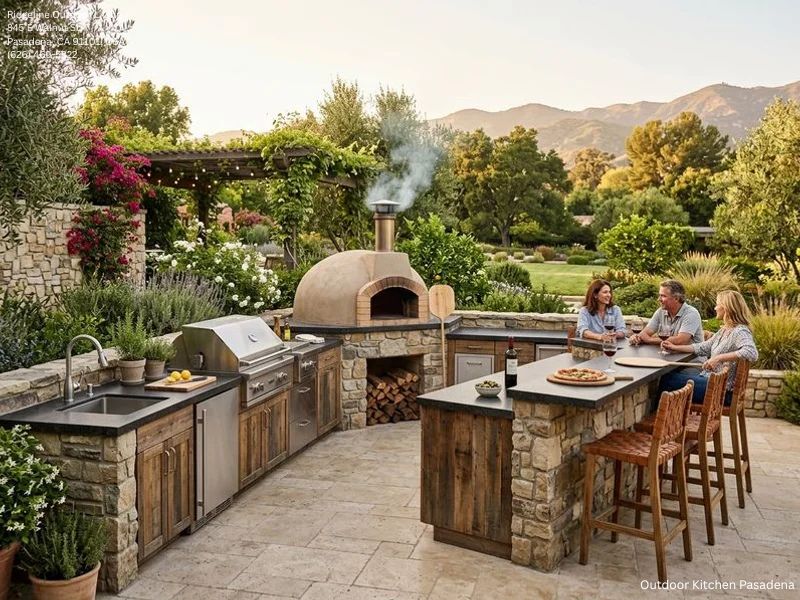
Maintaining and Repairing Retaining Walls
Consistent retaining wall maintenance maintains aesthetics and safety while lengthening wall lifespan. Maintenance tips include:
- Inspecting for cracks, bulging, or leaning to identify structural issues early.Tidying debris and overseeing vegetation growth near the wall. Making sure drainage systems stay unobstructed and operational.Restorations like changing damaged blocks, resetting displaced stones, or reinforcing anchors.Regular assessments, especially after heavy rains or freeze-thaw cycles.
Addressing retaining wall repair swiftly deters high-priced replacements and maintains the overall landscape design structure and safety of your property.
Elevating Retaining Walls with Landscape Design Elements
Incorporating retaining walls into more extensive landscape design raises their visual appeal and usability. Popular enhancements include:
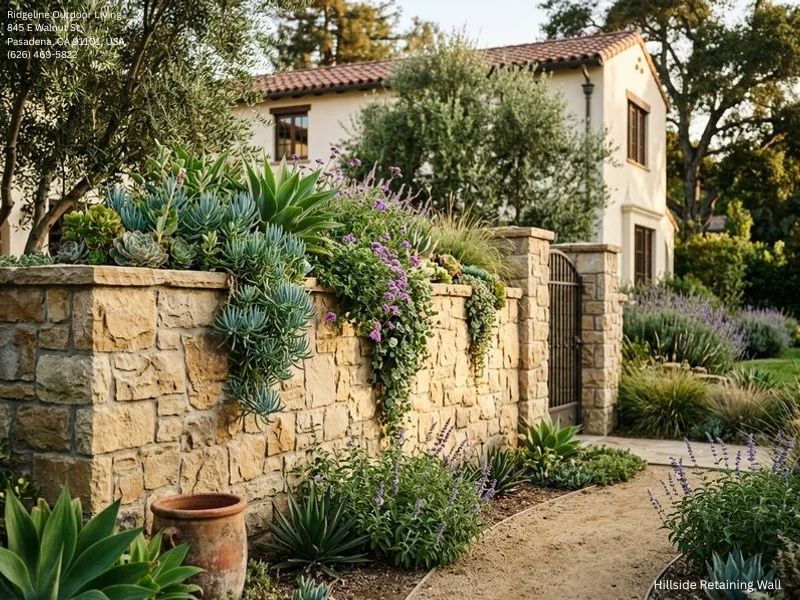
- Landscape Lighting: Installing accent and safety lighting to accentuate wall features and improve nighttime visibility. Landscape Edging: Outlining garden beds and walkways beside the retaining wall for a polished look. Landscaping Plants: Using native and drought-resistant plants to soften wall edges and support soil stabilization. Patio Construction: Developing outdoor living spaces atop terraces formed by retaining walls. Hardscaping Elements: Incorporating benches, steps, or water features for utility and style.
Such design integrations help turn retaining walls from purely functional structures into key landscape architecture features that increase property value and enjoyment.
ConclusionEffectively constructing a retaining wall needs careful planning, material selection, and adherence to engineering and regulatory standards. From understanding different materials and design principles to installation, drainage management, permits, and maintenance, each step has a vital role in ensuring a durable, attractive, and safe retaining wall integrated into your landscape.
Whether undertaking a residential landscaping project or managing commercial property grading, consulting with qualified retaining wall contractors and landscape professionals can support you in reaching the best results tailored to your needs and budget.
Start planning your retaining wall project today to enhance your outdoor space with lasting beauty and structural integrity.
Ridgeline Outdoor Living
Ridgeline Outdoor Living is a Pasadena-based landscape design-build company serving Greater Los Angeles with custom outdoor living, hardscape, and drought-tolerant landscape solutions. The company specializes in patios, retaining walls, outdoor kitchens, drainage, hillside projects, and turnkey landscape construction, handling projects from design and permitting through final build and warranty.
Address:
845 E Walnut St,
Pasadena,
CA
91101,
United States
Phone: (626) 469-5822
Map: View on Google Maps
Business Hours:
- Monday – Saturday: 8:00 AM – 6:00 PM
- Sunday: Closed
Follow Us: